Eyeing a home in Circle Drive, Tesuque, or Monte Sereno and wondering how to finance it confidently? If the price rises above standard lending caps, you are likely in jumbo territory. That can feel complex, especially with Santa Fe’s unique architecture, acreage, and historic considerations. This guide breaks down what jumbo loans are, what lenders expect, and the local steps that help you close smoothly on a luxury or second home in 87501. Let’s dive in.
What is a jumbo loan in Santa Fe
A jumbo loan is a mortgage that exceeds the conforming loan limit set by the Federal Housing Finance Agency. Loans above that limit are not eligible for purchase by Fannie Mae or Freddie Mac, so lenders use their own guidelines. The national baseline conforming limit for 2024 has been widely reported as $766,550 for most counties, but limits vary. Always confirm the current Santa Fe County limit for your purchase year using the FHFA county lookup.
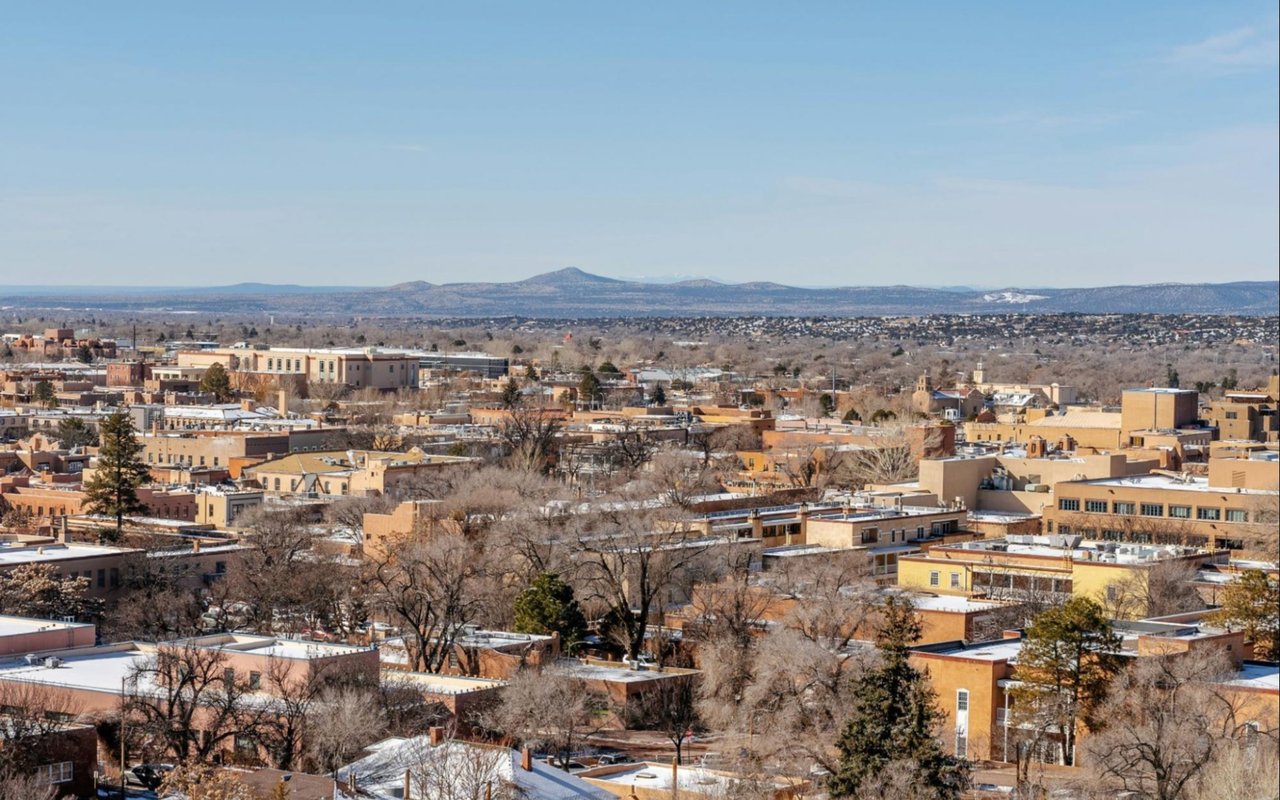
In neighborhoods like Circle Drive, Tesuque, and Monte Sereno, list prices often surpass conforming caps. Many purchases here require jumbo financing or cash. That is normal for Santa Fe’s upper tier and does not need to slow you down if you prepare well.
How jumbo differs in 87501
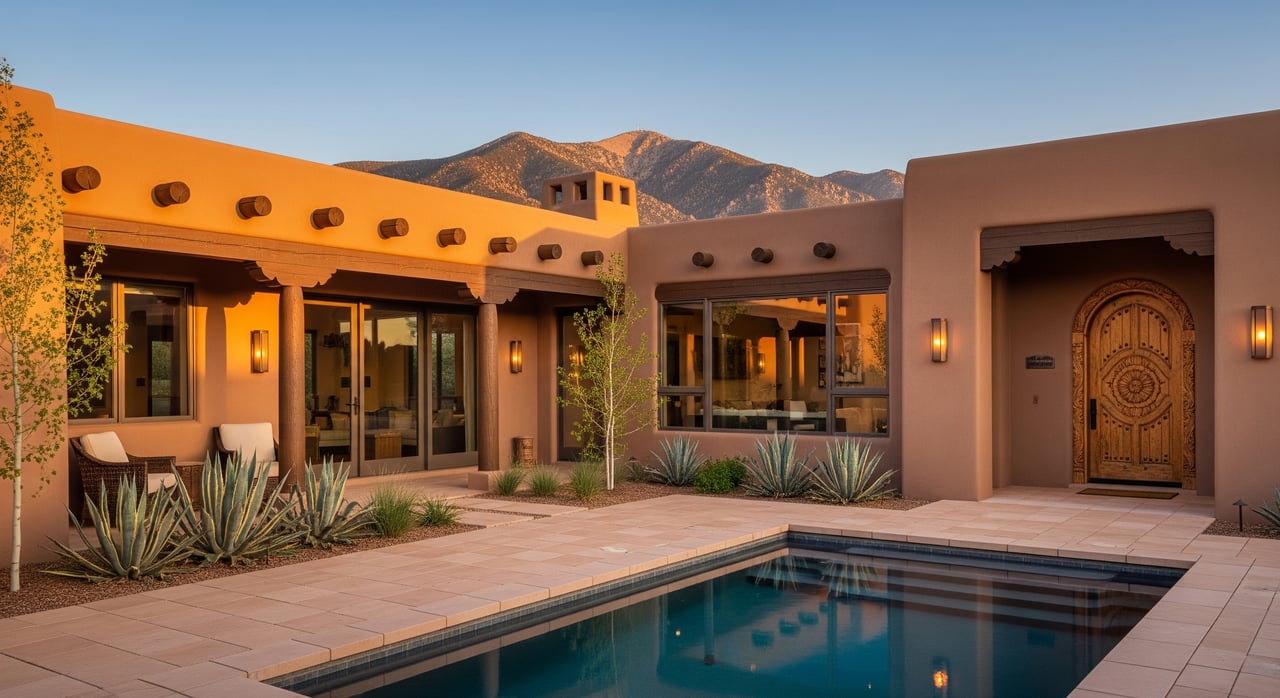
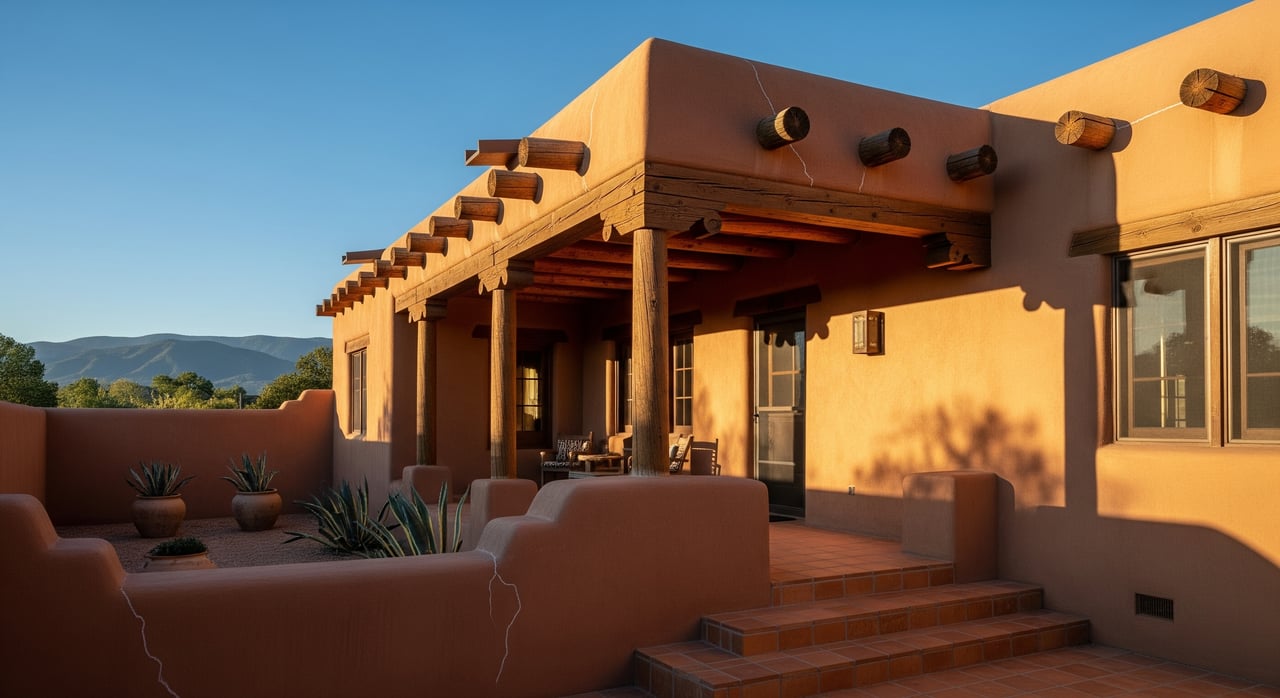
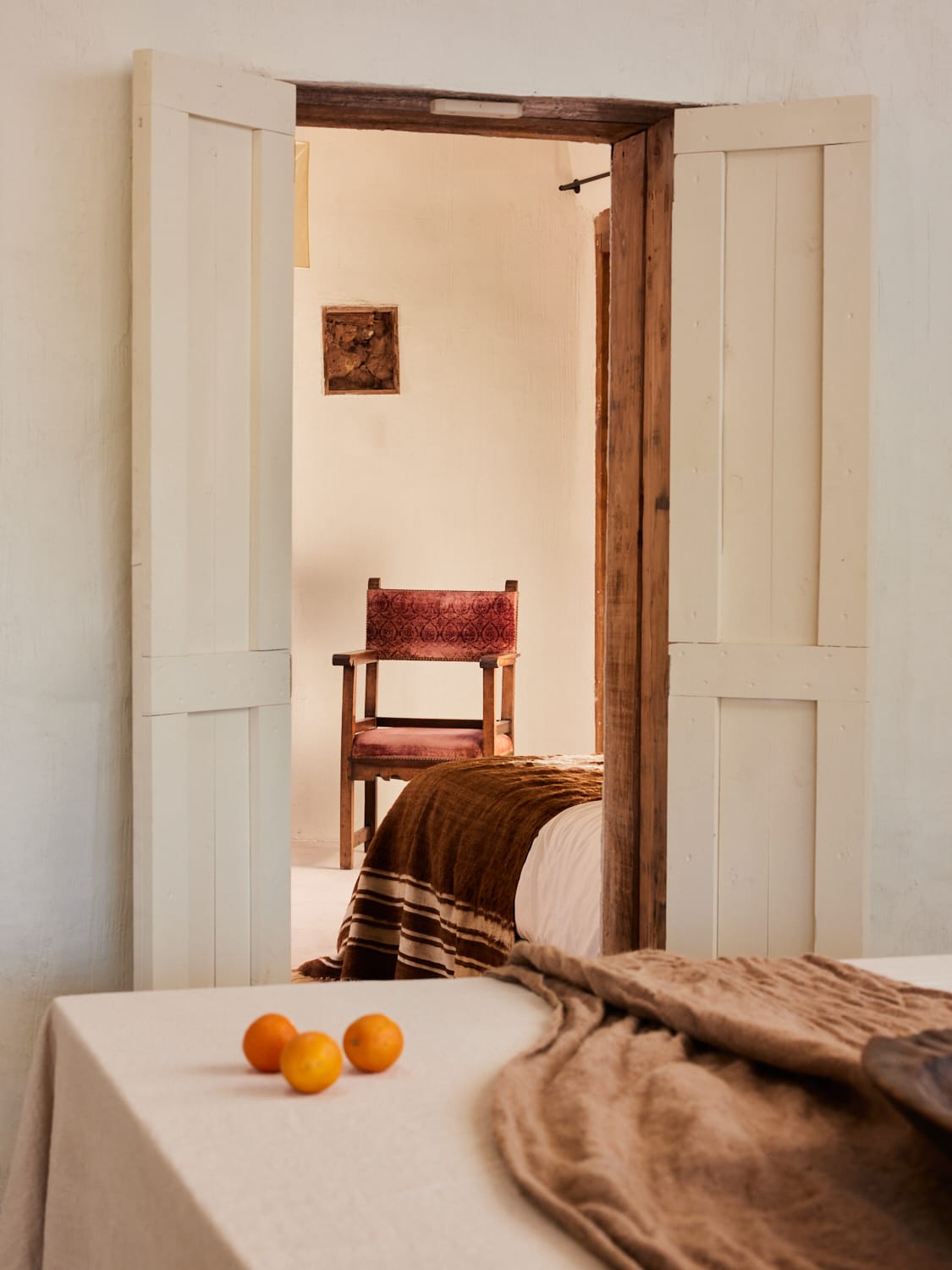
Luxury properties across 87501 and nearby enclaves can include custom adobe construction, hand-troweled plaster, distinctive roof systems, casitas, studios, and large lots. Some homes carry historic-district restrictions, water rights, wells, or septic systems. These features can complicate valuation and underwriting if your lender and appraiser are unfamiliar with the local market.
Appraisal can be challenging when comparable sales are limited or homes have unique finishes and site improvements. Lenders may request a full appraisal and sometimes a second opinion or a desk review. Homeowner’s insurance can also be more nuanced if a property sits near areas with elevated wildfire risk. Planning early and choosing experienced local partners helps you stay on track.
Typical jumbo requirements
Credit, down payment, and reserves
- Lenders generally look for stronger credit profiles on jumbo loans. Preferred pricing often begins with credit scores in the mid-700s, though some lenders consider high 600s with strong compensating factors.
- Down payments are commonly 20 percent or more. Some programs price best with 25 to 30 percent down, and riskier scenarios can require 30 to 40 percent or higher.
- Expect meaningful cash reserves. Many lenders want 6 to 12 months of reserves, measured as principal, interest, taxes, and insurance. Second homes or investment properties can require more.
Income, DTI, and assets
- Documentation is thorough. W-2 earners usually provide pay stubs and W-2s. Self-employed buyers are often asked for two years of tax returns and, at times, a current profit and loss statement.
- Debt-to-income limits can be tighter than conforming loans. Exact thresholds vary by lender and can improve if you have strong assets.
- If your income includes K-1s, pass-throughs, or investment income, expect multi-year documentation and possibly asset-depletion or tax-adjusted calculations.
- Large deposits and gift funds require clear documentation. Many lenders expect seasoning for significant transfers.
Appraisal, title, and insurance
- Appraisers should have experience with Santa Fe luxury and adobe or nonstandard construction. Unique finishes, land value, and limited comps often require careful analysis.
- Title can involve rural considerations, legal access, easements, well and septic permits, water rights, and any historic covenants. Lenders typically want clear evidence of access and utilities.
- Insurance must reflect accurate replacement costs. Some lenders require endorsements for wildfire or special hazards, which can affect your monthly payment and reserve calculations.
Choosing the right lender
You have options when financing a jumbo loan in Santa Fe:
- Conventional jumbo lenders: National and regional banks and mortgage brokers offer fixed or adjustable jumbo loans with conservative underwriting.
- Portfolio lenders: Community banks, credit unions, and private banks may keep loans on their books and can be more flexible on property types or documentation.
- Non-QM options: Bank-statement, interest-only, or alternative documentation programs can fit complex income profiles but often come with higher pricing.
- Private banking: High-net-worth clients may benefit from relationship lending tied to investment accounts or securities pledges.
Make sure any lender you consider is licensed to operate in New Mexico, and verify that they can close jumbo loans on Santa Fe property types. You can confirm licensing status through the Nationwide Multistate Licensing System. Experience with local appraisers and title partners is a plus.
Occupancy matters
Underwriting differs by occupancy type. Second homes and investment properties typically require higher down payments, more reserves, and may carry higher rates than primary residences. Ask your lender to outline requirements for your specific scenario before you write an offer.
Cash or financing for luxury offers
Buying with cash can help you compete because your offer avoids financing and appraisal contingencies. You may close faster and keep your financial details private. The tradeoff is tying up capital and losing potential investment returns elsewhere.
Financing preserves liquidity, may create tax advantages for qualified purchases, and can be a good strategy if you plan to diversify investments. The tradeoff is more documentation, underwriting time, and ongoing monthly obligations.
A hybrid approach often works well in Santa Fe’s luxury market:
- Provide strong proof of funds for your down payment or earnest money.
- Pair it with a firm jumbo pre-approval from a reputable, New Mexico-licensed lender.
- Keep appraisal and inspection timelines tight and realistic.
- Consider bridge financing if you are selling a current home.
- If you buy with cash first, discuss a future cash-out refinance and any seasoning requirements with your lender.
Smart appraisal and title steps
Being proactive helps you manage unique property features common in 87501 and nearby areas.
- Appraiser selection: Ask your lender to use an appraiser with luxury experience in Santa Fe who understands adobe, land valuation, and custom construction.
- Valuation approach: Be ready for cost approaches on large lots, land-only valuations for acreage, and careful review of limited comps.
- Title and survey: Confirm legal access, easements, well and septic permits, and any recorded historic preservation covenants early in due diligence.
- Insurance: Request quotes as soon as you go under contract. Wildfire and hazard endorsements can impact affordability and lender requirements.
Pre-approval checklist
Gather these documents before you shop so your pre-approval is credible and fast:
- Identification and recent mortgage statements for any existing properties
- Recent pay stubs, W-2s, and two years of tax returns; self-employed buyers add business returns and a current profit and loss
- Two to three months of bank and investment statements for down payment and reserves
- Documentation for large deposits and any gift funds
- Evidence of other assets or lines of credit that support reserves
- Contact information for your CPA or financial advisor if your income or assets are complex
Questions to ask lenders
Use these questions to compare options and avoid surprises:
- How much can I borrow for a primary residence versus a second home in 87501, given my profile?
- What down payment and reserve levels deliver your best pricing for this property type?
- Do you have recent jumbo closings in Santa Fe and access to local luxury appraisers?
- Will you require one or two appraisals, and what is the expected timeline given limited comparable sales?
- What is the estimated total cash to close, including title, insurance, and any rate or product-related fees?
- How will you evaluate my income if it includes K-1s, pass-throughs, or investment income?
- If I buy land or plan a major remodel, what construction or lot loan options do you offer?
- Are non-QM or interest-only structures appropriate for my goals, and what are the tradeoffs?
Offer timeline and closing
Jumbo transactions can take longer due to documentation and appraisal complexity. Plan for 30 to 60 days or more, depending on the property. Build time for insurance quotes, title review, and any septic, well, or water-rights verification.
To keep things moving:
- Line up your lender and pre-approval before touring.
- Order the appraisal immediately after you go under contract.
- Coordinate quickly with title for easements, access, and permits.
- Set realistic contingency timelines that reflect property complexity.
Work with a local guide
Buying a luxury or second home in Santa Fe is as much about fit as it is about financing. You want a team that knows the micro-markets and how lenders view adobe construction, acreage, and historic-district nuances. With boutique, concierge service and deep local expertise, Plaza Group Santa Fe helps you compare neighborhoods, structure a competitive financed or cash offer, and coordinate with experienced lenders, appraisers, and title partners so your purchase feels seamless.
Ready to discuss your plan, from pre-approval to closing day? Schedule a Private Consultation with The Agency Santa Fe and move forward with clarity and confidence.
FAQs
What makes a loan “jumbo” in Santa Fe?
- A jumbo loan exceeds the FHFA’s conforming loan limit for the county and year, so lenders underwrite to their own guidelines instead of Fannie Mae or Freddie Mac rules.
How much down payment do jumbo lenders expect?
- Many programs start at 20 percent down, with stronger pricing often at 25 to 30 percent, and higher requirements for riskier profiles or certain property types.
Are jumbo rates higher than conforming?
- Historically they can be slightly higher, but the spread changes over time and varies by lender, borrower profile, loan size, and occupancy type.
What if I am self-employed or have complex income?
- Expect two years of tax returns and possibly a profit and loss statement; some lenders use asset depletion or alternative documentation if appropriate.
Can I finance a second home in 87501?
- Yes, but second homes typically require higher down payments, larger reserves, and may have different pricing than primary residences.
How long does a jumbo closing take in Santa Fe?
- Plan on 30 to 60 days or more, depending on appraisal scheduling, title items like wells or easements, and insurance requirements.
What special title or insurance issues should I expect?
- You may encounter wells, septic systems, water rights, or historic covenants; wildfire endorsements and higher replacement cost coverage can also impact insurance.
Can I buy land or build with jumbo financing?
- Yes, but you will likely use lot or construction loan products with different documentation, draw processes, and appraisal methods than a standard purchase.