If you own or plan to buy an adobe in Santa Fe’s Historic Eastside, you know the charm comes with unique care. You want to preserve the look you love while protecting the structure for the long term. In this guide, you’ll learn the essentials: a water-first maintenance mindset, a simple seasonal rhythm, inspection priorities, and the right questions to ask contractors. Let’s dive in.
Know your adobe
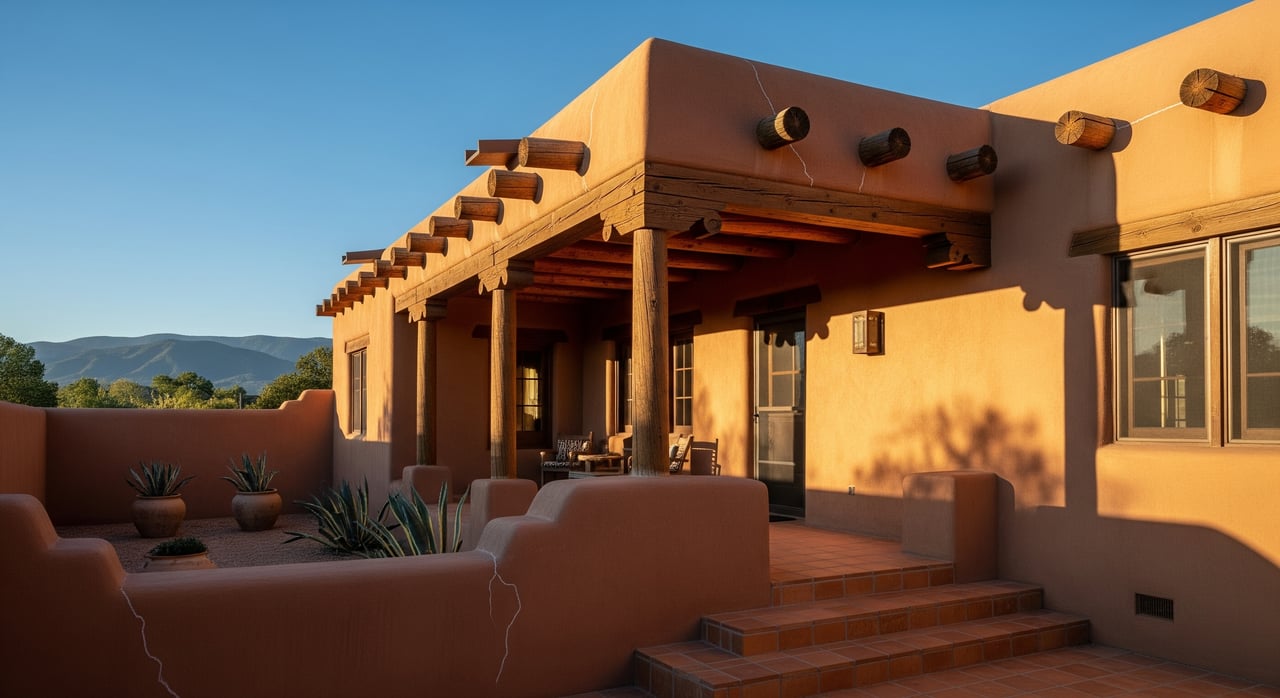
Adobe in the Historic District is an earthen system: solid adobe walls, sacrificial mud or lime plasters, flat roofs with parapets, and canales or scuppers that shed water. Exposed wooden members like vigas and lintels are part of the character and need attention where they meet the wall. Adobe assemblies are vapor-permeable, so finishes must allow moisture to move. If you plan exterior changes visible from the street, check requirements with the City of Santa Fe’s Historic Preservation Division before you start.
Put water management first
Water is the main risk in Santa Fe’s climate. Intense monsoon rains, winter freeze–thaw, and high-altitude sun all stress adobe. Your top priority is keeping water off walls and away from foundations.
Roofs, parapets, and drainage
- Keep canales and scuppers clear, especially after storms.
- Inspect roof membranes and parapet caps after winter and before monsoon season.
- Confirm that flashing and joints are sound at every penetration and edge.
Grade and site conditions
- Maintain a positive slope away from the house so water does not pool at the base.
- Avoid hardscape that channels water toward walls.
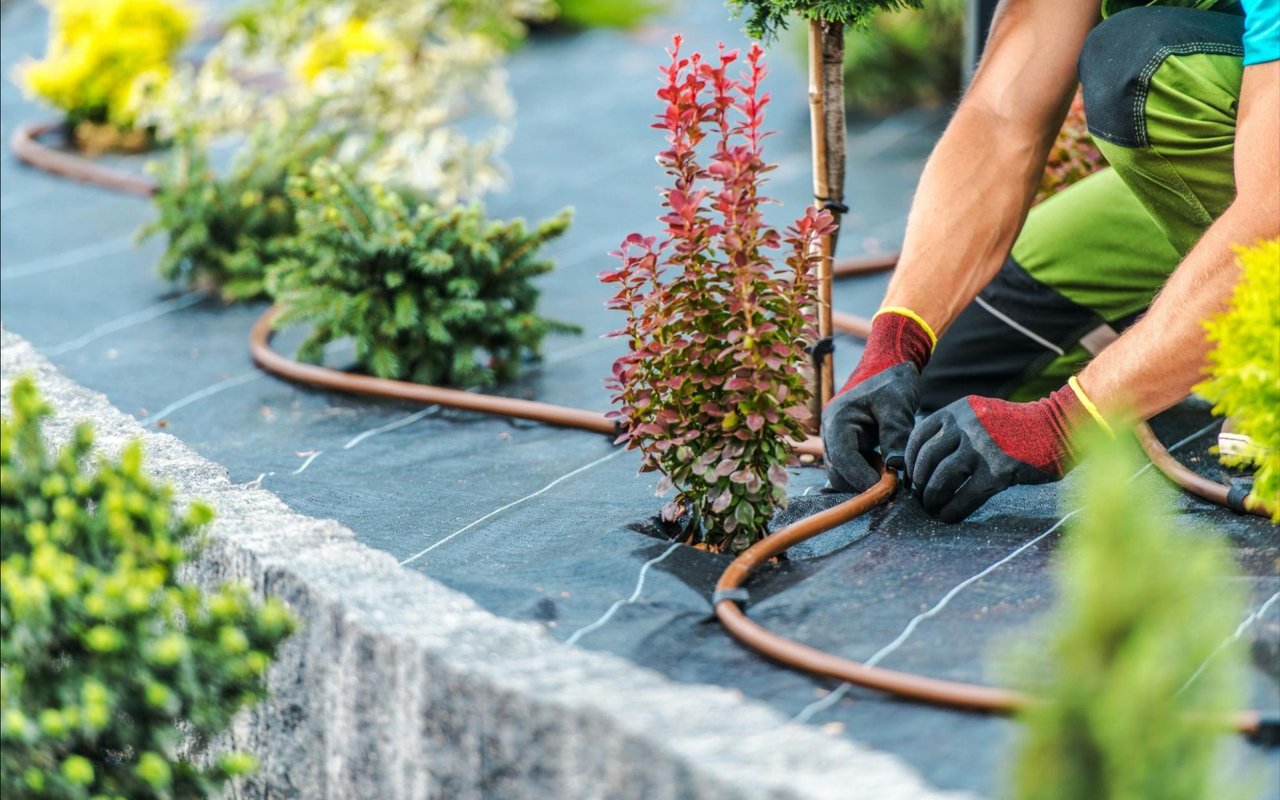
- Relocate irrigation heads and correct overspray so walls stay dry.
Openings and junctions
- Check window sills, doors, and penetrations for failed flashing or sealant.
- Address leaks quickly to prevent saturation of the adobe core.
Choose compatible finishes
Adobe walls need breathable finishes. Traditional earthen plaster and limewash, or lime-based plasters, protect by acting as a sacrificial layer you renew over time. Avoid Portland-cement-based stucco on adobe, since it is harder and less permeable and can trap moisture.
- Inspect for erosion, soft spots after rain, delamination, and wide cracks.
- Touch up sacrificial plaster or limewash where loss is visible.
- Plan full re-plastering when widespread erosion exposes the adobe core.
Protect exposed wood
Vigas, lintels, porch beams, and roof edges are vulnerable where water collects and where wood meets adobe.
- Inspect viga ends and other exposed wood annually for rot or insect damage.
- Ensure proper flashing and a small, well-detailed gap at penetrations to reduce trapped moisture.
- Repair localized wood damage and address the water source before refinishing.
Watch for movement and moisture
Some hairline cracks are common, but widening cracks, bulges, or leaning can signal movement or moisture problems.
- Photograph cracks and compare over time to spot change.
- Look for salt staining at lower walls and damp interior plaster.
- Check near plumbing and HVAC lines for slow leaks or condensation.
Seasonal maintenance calendar
Santa Fe’s rhythm is shaped by winter freeze and summer monsoon. Use this simple checklist.
Spring (after freeze)
- Inspect roof membranes, parapets, and canales for winter damage.
- Check exposed wood and viga ends for cracking or rot.
- Repair small plaster losses and test interior walls for dampness.
- Clear all drains and scuppers.
Early summer (pre-monsoon)
- Complete roof and drainage fixes before storms start.
- Reapply sacrificial plaster patches or limewash to exposed areas.
- Trim vegetation and verify the grade slopes away from walls.
Monsoon season (July–September)
- After heavy rains, check for soft plaster, erosion, and pooling water.
- Order quick protective patches where plaster has breached to prevent saturation.
Fall (pre-winter)
- Close out deferred repairs and confirm roofing and flashing are watertight.
- Schedule larger re-plastering in late fall or early spring when conditions are drier.
Annual habit
- Do a full exterior and interior inspection with photos and notes.
- Track any dampness, salt crystals, or pest signs and plan follow-up.
Pre-purchase and annual inspections
If you are evaluating a home or building your long-term care plan, focus on these items.
- Look for evidence of past cement stucco over adobe and ask how it was addressed.
- Review the roof system: membrane condition, slope, scuppers or canales, parapets, and flashings.
- Check for moisture: interior stains, soft plaster, efflorescence, or musty odors.
- Note structural signs: bulging walls, wide or growing vertical cracks, leaning.
- Probe viga ends and other exposed wood for rot where they enter the wall.
- Assess foundation and grade for standing water and hardscape that drives water to walls.
- Request permits, photos, contractor records, and any warranties for past work.
- Confirm that repair materials were compatible with adobe, such as earthen or lime plasters.
What to document
Good records save time and cost. They also help you spot patterns and make smarter decisions.
- Photograph exterior elevations and any cracks from the same spots each year.
- After major storms, note soft plaster, interior dampness, or new stains.
- Keep copies of bids, scopes, materials used, permits, and warranties.
Work with the right contractor
You want a team that understands adobe in Santa Fe’s Historic District and uses compatible methods. Use these questions to guide your selection.
Smart questions to ask
- How many years have you worked on historic adobe in Santa Fe, and can you share local references and photos?
- What materials will you use for repairs, and how do you ensure breathability?
- How will you diagnose moisture sources, and what testing do you use?
- Will you separate emergency patches from larger re-plastering in a phased scope?
- How will you protect and flash wooden members where they meet adobe?
- Are you familiar with the Historic District review process and permit requirements, and will you assist with applications?
- What warranties do you offer, and what maintenance do you recommend for the next 3 to 5 years?
- Do you carry required licensing and insurance for New Mexico, and are subs licensed?
- How will you protect historic interior finishes during exterior work?
Red flags
- Proposing cement stucco over adobe without a clear, compatible rationale.
- No local references or similar completed work.
- No written scope or maintenance plan, and no discussion of moisture sources.
- Unclear on Historic District review and permitting requirements.
Plan scope, timing, and budget expectations
Set realistic expectations so you can act early and avoid larger issues.
- Minor maintenance: sacrificial plaster patches, limewash touch-ups, and drainage tune-ups often occur every 1 to 5 years depending on exposure.
- Moderate work: sectional re-plastering, localized wood replacement, and site drainage improvements are best scheduled in dry months.
- Major interventions: structural wall repairs, full-elevation re-plastering, or foundation stabilization require experienced teams, permits, and a documented scope. Get multiple bids and references.
- Risk management: prioritize water control and temporary patches right after storm events. Delays with moisture intrusion increase scope and cost.
Living with adobe in the Historic District
Adobe rewards steady, thoughtful care. Keep water away from walls, use compatible materials, and document what you see. When exterior work is visible from public ways, confirm the City’s review requirements early so your project stays on schedule.
If you would like help evaluating a property on the Historic Eastside or want introductions to proven local specialists, we are here to help. Schedule a private walk-through or a strategy session with Beth Caldarello.
FAQs
How often should I refresh plaster or limewash on a Historic Eastside adobe?
- Expect minor touch-ups annually to every few years depending on sun, wind, and rain exposure, and plan larger re-plastering when erosion exposes the adobe core.
Is Portland-cement stucco appropriate for adobe homes in Santa Fe’s Historic District?
- Avoid cement-based stucco on adobe because it is less permeable and can trap moisture, which accelerates deterioration of the earthen walls.
What should I check right after a monsoon storm near Canyon Road or the Eastside?
- Clear canales or scuppers, look for soft or eroded exterior plaster, note any pooling at foundations, and arrange quick protective patches where needed.
How do I spot moisture issues inside an adobe before they escalate?
- Watch for damp stains, soft interior plaster, musty odors, and salt crystals at lower walls, then trace the source to roof, grade, or plumbing.
Who handles permits for exterior adobe work in Santa Fe’s Historic District?
- Many contractors will help with applications, but you should confirm familiarity with the City’s Historic Preservation Division review process before hiring.