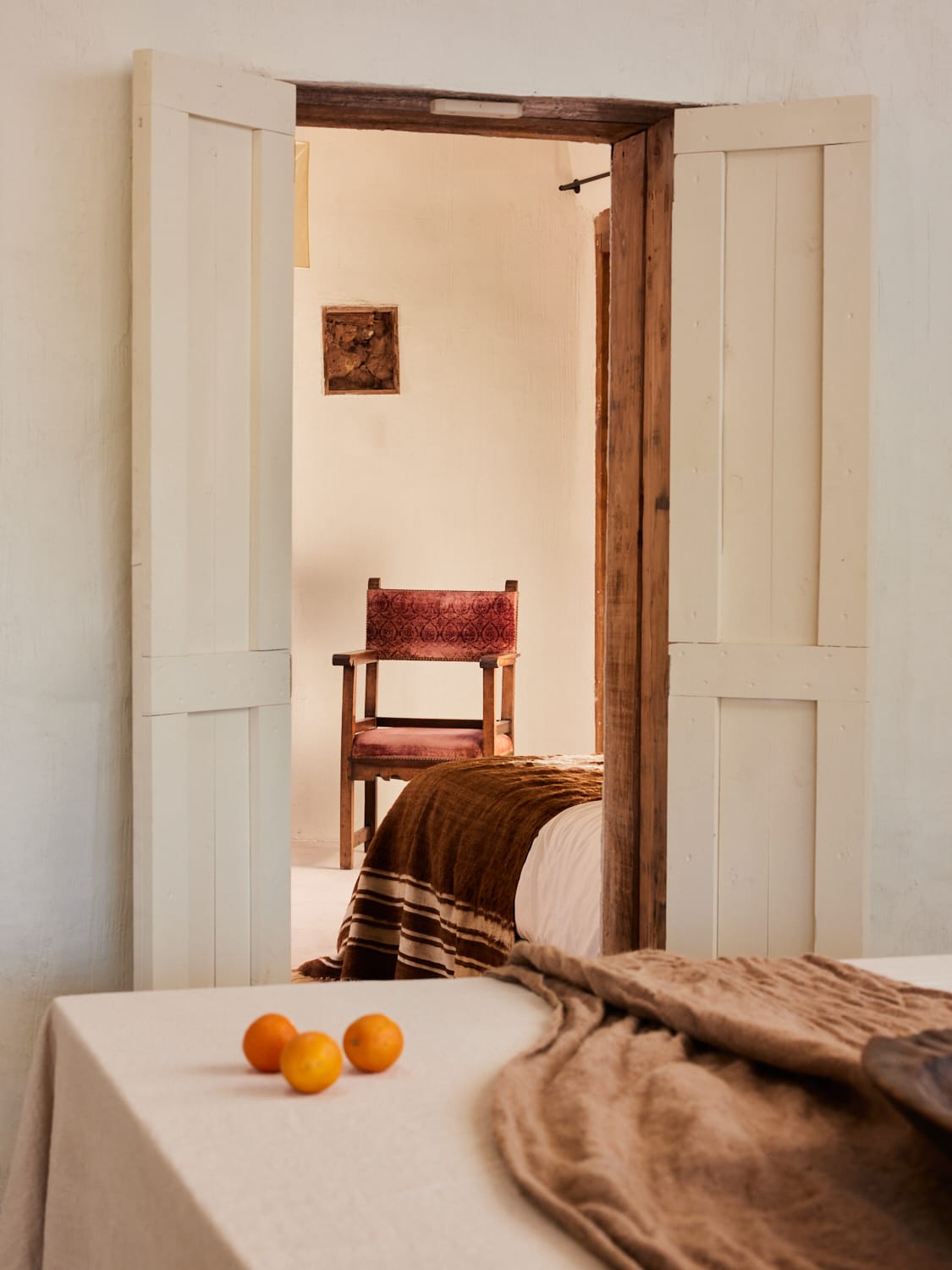
When it comes to the Santa Fe real estate market, one of the most common questions buyers and sellers ask is about the impact of a home’s age on its market value. Does an older home automatically command more or less value than a newer one? How does architectural style, historical significance, or modernization influence pricing?
In this in-depth exploration,
Plaza Group Santa Fe shares expert insights that demystify the connection between home age and value in our unique Northern New Mexico landscape.
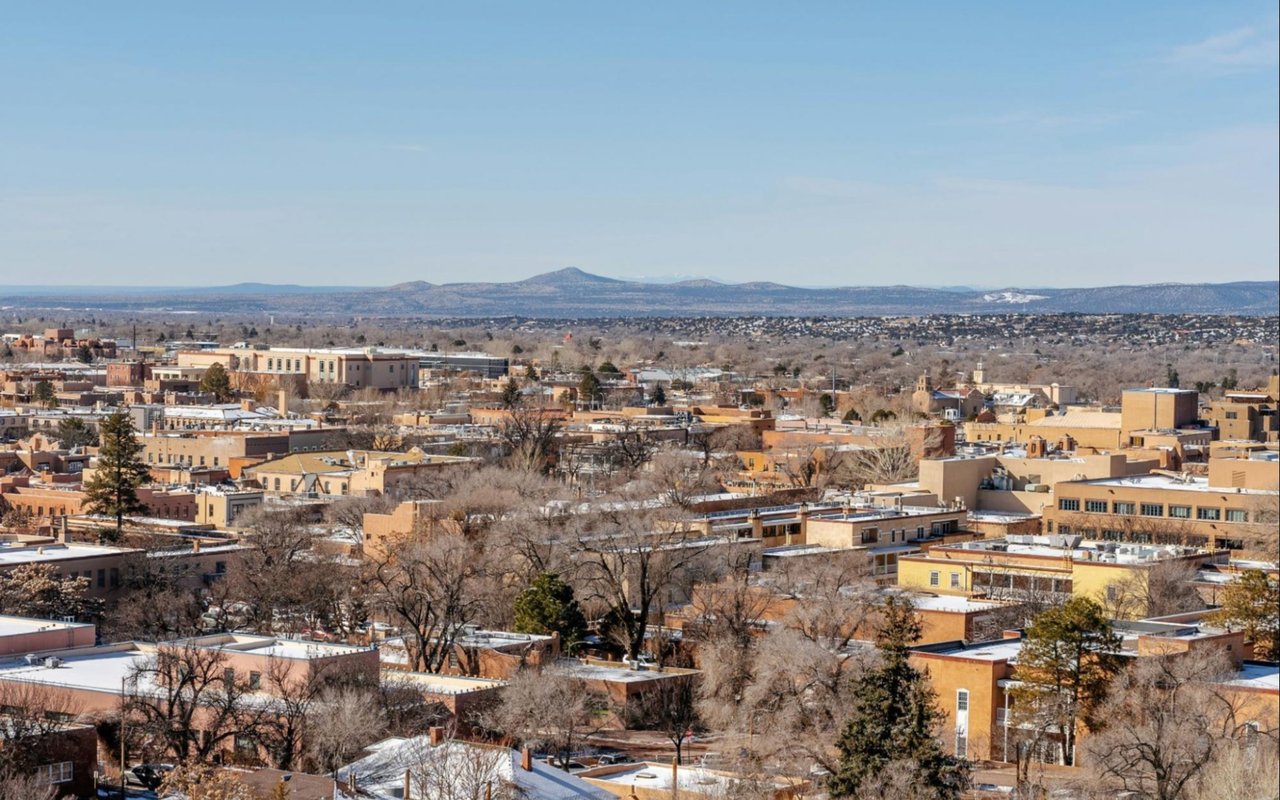
Santa Fe is a place where history and modern living coexist. From Pueblo Revival homes near the Plaza to contemporary designs overlooking the Sangre de Cristo Mountains, the age of a property contributes richly to its character and desirability. Understanding how age influences value helps buyers make informed investments and sellers position their homes strategically on the market.
Understanding the Basics: Age and Value Isn’t a Simple Equation
What Home Age Represents
Home age refers to the number of years since a property was originally built. However, age is more than a number. It reflects a home’s architectural heritage, construction methods, level of maintenance, upgrades over time, and its alignment with modern living standards.
In Santa Fe, age can signify authenticity. A well-preserved 1930s adobe near Canyon Road tells a story that resonates with buyers seeking regional character. Conversely, a home built in the last decade may offer contemporary amenities that appeal to those prioritizing efficiency and low maintenance.
The Dual Nature of Home Age in Market Perception
Many buyers associate older homes with charm, craftsmanship, and history. In Santa Fe, this is especially true for traditional adobe and territorial style properties that embody the city’s cultural identity. For these buyers, age enhances value.
On the other hand, age can also suggest potential challenges. Older homes may need updated electrical systems, plumbing, insulation, or seismic retrofitting. Without thoughtful modernization, these factors can weigh negatively on market value.
How Home Age Influences Market Value in Santa Fe
Architectural Significance and Historical Appeal
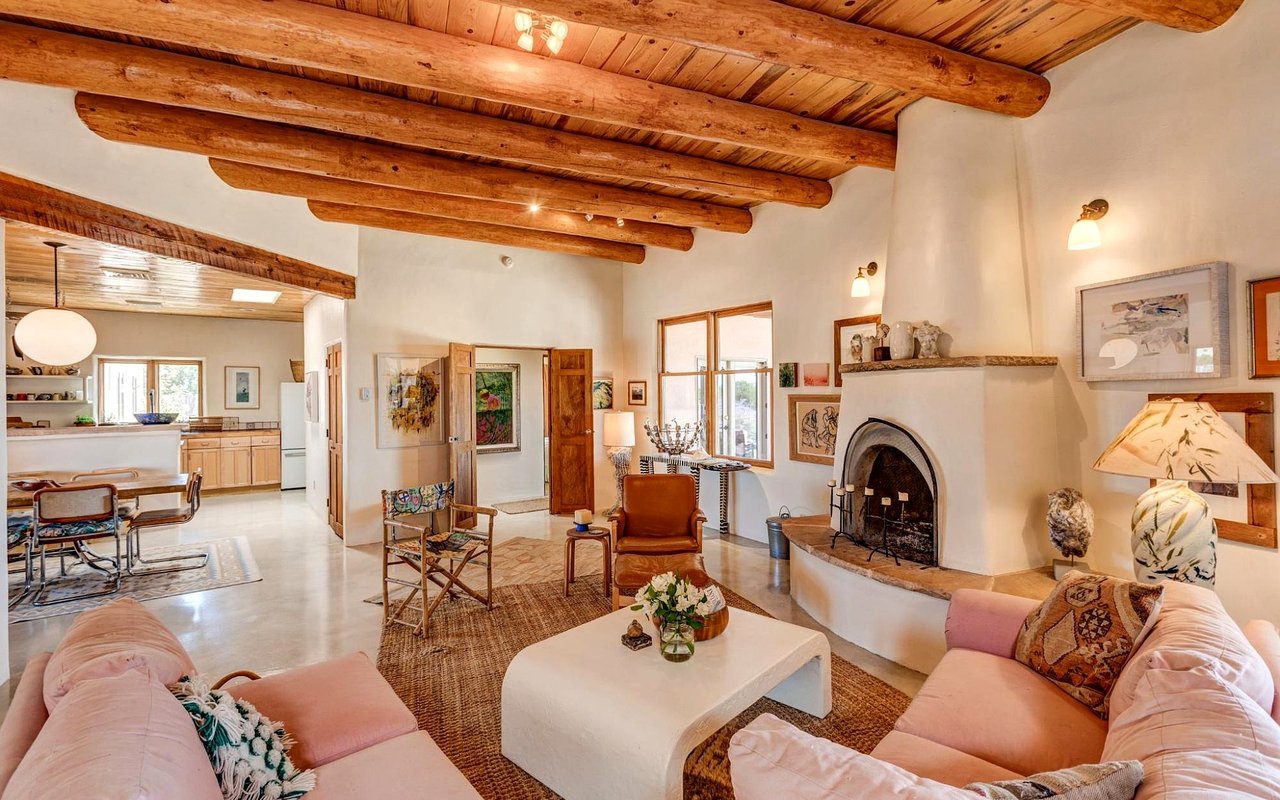
Santa Fe is celebrated for its architectural heritage. Many buyers specifically seek homes that reflect the city’s aesthetic traditions. Homes built before the mid-20th century often feature thick adobe walls, vigas, nichos, and hand-carved details. These elements provide a connection to Santa Fe’s cultural roots that newer constructions sometimes lack.
When a home possesses genuine historical value or aesthetic authenticity, age becomes a luxury attribute rather than a detriment. Historic districts like the Eastside and Barrio de Analco are prime examples where age enhances desirability and, consequently, market value.
Condition, Upgrades, and Modern Systems
A key factor in assessing value is the home’s current condition and the presence of modern upgrades. A 100-year-old adobe that has been meticulously restored with updated electrical, plumbing, and insulation can compete with much newer homes in both comfort and price.
Buyers are often willing to pay a premium for homes that blend historic charm with modern conveniences, especially when the upgrades respect the original architectural integrity.
Energy-efficient windows, updated kitchens and baths, and smart home systems make older properties more attractive without diluting their character.
Location and Neighborhood Evolution
The value impact of age is also tied to location. Older homes in highly desirable areas often outperform newer builds in less established neighborhoods. In Santa Fe, proximity to the Plaza, Museum Hill, or the Santa Fe Railyard enhances property value regardless of age because of accessibility, cultural vibrancy, and lifestyle amenities.
Neighborhood evolution matters too. Areas that have undergone revitalization often see older homes appreciating significantly as part of broader market momentum. In contrast, older properties in stagnant markets might struggle to hold value unless they are updated.
Buyer Preferences by Demographic
Buyers Seeking Character and Story
Certain buyers are drawn to age because it conveys history and authenticity. Artists, retirees, and second-home buyers from out of state often prioritize architectural heritage and the visual narrative that older homes offer. These buyers value original features like saltillo tile floors, carved wooden doors, and kiva fireplaces.
For these segments, age is a positive factor. Homes with documented historical significance or unique craftsmanship often generate strong interest and competitive offers.
Buyers Seeking Turnkey Convenience
Other buyers, especially families with young children or those relocating for work, may prefer newer construction or extensively renovated older homes. Their priority is a move-in-ready property with minimal need for immediate maintenance. For these buyers, age is often secondary to functionality, energy efficiency, and modern floor plans.
Understanding which buyer demographic is most active in your sector of the Santa Fe market influences pricing strategy. Plaza Group Santa Fe leverages this insight to help sellers position their homes for maximum appeal.
Appraisal Considerations and Market Value
Objective Valuation Metrics
Appraisers consider age alongside factors like square footage, lot size, condition, and comparable sales. In many cases, age alone does not determine value. Instead, it’s the integrated effect of age-related characteristics and how they influence usability and market appeal.
For example, if comparables in a neighborhood are predominantly newer builds, older homes may be adjusted downward in valuation unless they have been thoughtfully modernized. Conversely, in historic enclaves, age can be a positive adjustment factor.
Case Studies From the Santa Fe Market
Historic Adobe in the Eastside
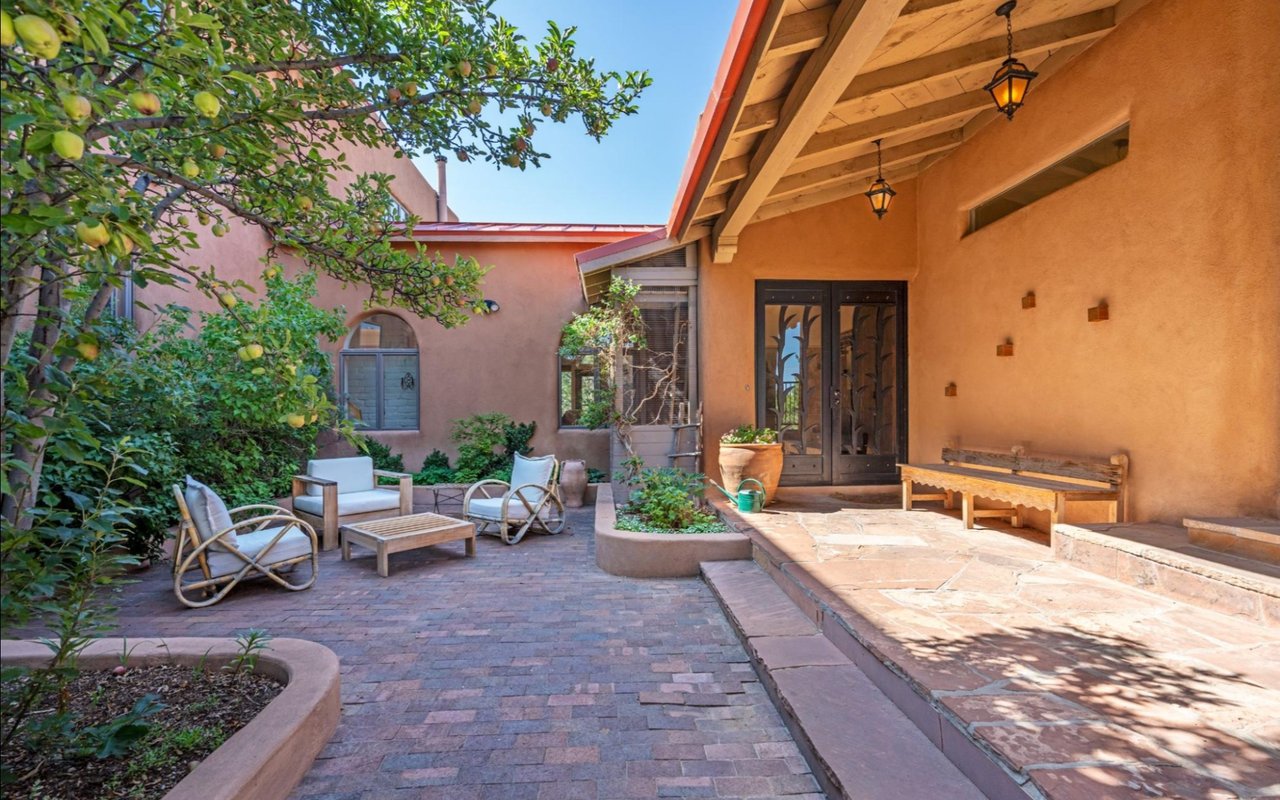
A century-old adobe in the Eastside Historic District recently sold above its asking price. Its original features had been preserved, and strategic upgrades ensured contemporary comfort. Buyers responded enthusiastically to the blend of heritage and functionality. The age of the home enhanced its appeal and directly contributed to its market value.
Contemporary Home in a Growing Subdivision
In a newer subdivision near Eldorado, modern homes command strong prices due to their spacious layouts and recent construction. A 10-year-old home with high-end finishes sold quickly because of its turnkey appeal, even though it lacked historical charm. In this context, age was neutral or slightly positive because of how well the home aligned with buyer expectations in that neighborhood.
Tips for Sellers: Maximizing Value Regardless of Age
Highlight What Makes Your Home Unique
If your home has historical or architectural significance, emphasize that in marketing materials. Professional photography that captures original features and their context within Santa Fe’s heritage can elevate buyer interest.
Invest in Strategic Upgrades
Not all renovations yield the same return. Focus on upgrades that improve comfort and efficiency while preserving character. Updated kitchens, bathrooms, insulation, and modern systems (HVAC, electrical, plumbing) appeal broadly.
Price with Precision
Pricing older homes requires nuance. Work with a local expert who understands how age impacts value in your specific neighborhood. Overpricing based on age alone can deter buyers, while underpricing leaves money on the table. Plaza Group Santa Fe combines market data with deep local knowledge to guide optimal pricing decisions.
Tips for Buyers: Evaluating Older and Newer Homes
Look Beyond the Year Built
Assess the condition, upgrades, and maintenance history. Two homes of the same age can have very different values depending on how they have been cared for.
Factor in Long-Term Costs
Older homes may require more ongoing maintenance. Consider potential future expenses and how they fit into your lifestyle and budget. A home inspection by an expert familiar with adobe and historic properties can uncover issues that generic inspections might miss.
Balance Charm with Practicality
Decide what matters most to you. If character and authenticity are priorities, older homes might delight you. If convenience and low maintenance are key, newer homes or fully updated historic homes might better suit your needs.
Frequently Asked Questions
Does an older home automatically have more value than a new home?
Not necessarily. Age can enhance value when paired with architectural significance, excellent maintenance, and desirable location. However, without these factors, age alone does not guarantee higher value.
Are older homes more expensive to insure or maintain?
Insurance and maintenance costs can be higher for older homes, especially if structural or system updates are needed. Buyers should factor these into their long-term budget.
How should I evaluate an older home’s worth compared to newer homes?
Look at recent sales of similar properties in your target neighborhood. Consider condition, upgrades, and historical appeal. A local real estate expert can provide tailored comparables and valuation guidance.
Can modernization diminish the value of a historic home?
If not done thoughtfully, modernization that detracts from a home’s character can weaken its appeal. The most successful renovations respect the home’s architectural identity while improving functionality.
In
Santa Fe’s dynamic real estate market, the relationship between home age and market value is nuanced and multifaceted. Age can add depth, character, and historical significance that many buyers treasure. At the same time, modern amenities, condition, location, and upgrades play powerful roles in shaping a home’s appeal and value.
Whether you are buying or selling, understanding how home age interacts with market expectations is essential. Plaza Group Santa Fe offers local expertise and personalized guidance to help you navigate these considerations with confidence.
*Header photo courtesy of Plaza Group Santa Fe